
Caspian Sea: Why It Counts as the World’s Largest Lake
The Caspian Sea is the largest lake on Earth. Why it is classified as a lake despite its name, and what makes this extraordinary inland body of water so remarkable.
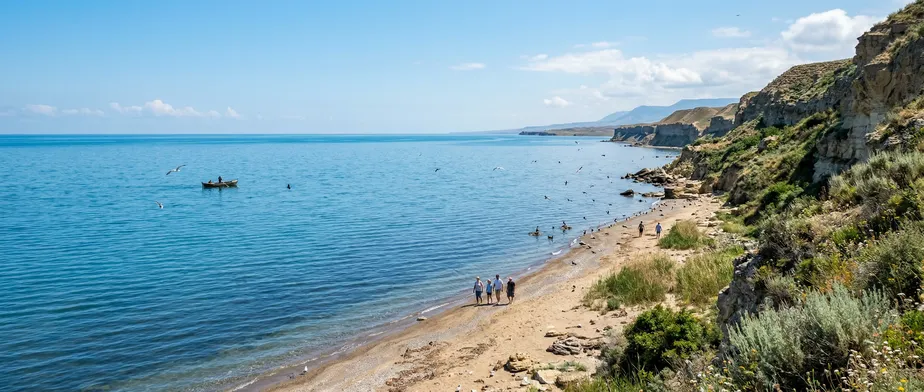
When people hear the word lake, many picture a manageable body of water with a clearly visible shore. The Caspian Sea does not fit this idea. Its extent is immense, its coastline far-reaching and even its name raises questions. Because although it is called a sea, in geographical terms it is considered the largest lake in the world.
This special status is exactly what makes the Caspian Sea so fascinating. It is not an ordinary lake, but it is also not a sea in the classic sense. That in-between position is part of its unique appeal.
Why the Caspian Sea is classified as a lake
The crucial point is its location. The Caspian Sea is a closed inland body of water and is not directly connected to the world’s oceans. From a geographical perspective, it is therefore classified as a lake.
The fact that it is still called a sea has historical and linguistic reasons. Given this vast water surface, the name is easy to understand. Its dimensions feel more like a sea coast than a typical inland lake.
A body of water of superlatives
Above all, its enormous size has made the Caspian Sea so well known. This is why it is regarded as the largest lake on Earth. Its vastness shapes not only the surrounding landscape but also how the entire region is perceived.
The Caspian Sea does not come across as a quiet lake for a short walk along the shore. It stands for wide horizons, transitions between water, coast and steppe, and for a landscape that appears almost oceanic. Anyone interested in remarkable lakes will find it hard to ignore this body of water.
Lake or sea? Why the question comes up so often
The Caspian Sea shows that geographical terms are not always intuitive. In everyday life, many people focus on size, appearance and overall impression. In geography, however, other features matter, above all the lack of a direct connection to the ocean.
This is why the question “Is the Caspian Sea a lake or a sea?” comes up so frequently. The short answer is clear: by name it is a sea, but geographically it is a lake. This very distinction makes it a compelling example of the diversity of Earth’s landscapes.
What makes the Caspian Sea special
- Size: It is regarded as the largest lake in the world.
- Special status: It is called a sea, yet it is an inland body of water.
- Impression: Its vastness is more reminiscent of coastal landscapes than of classic lake shores.
- Fascination: It combines geographical particularity with a striking landscape presence.
A body of water that changes how we see lakes
The Caspian Sea clearly shows how diverse lakes can be. Not every lake is small, calm and easy to take in at a glance. Some feel almost boundless and challenge familiar ideas.
For anyone interested in remarkable bodies of water, natural phenomena and unusual travel destinations, the Caspian Sea is a strong example. It broadens our view of what a lake can be and stays in mind for that very reason.
Anyone exploring the largest, most beautiful or most unusual lakes in the world will find here not only a geographical exception, but also a body of water that leaves a lasting impression.
More articles
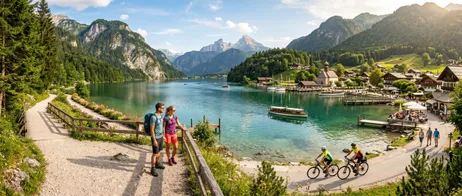
Experience Lakeside Hikes and Cycling Tours at Germany’s Lakes
Germany’s lakes invite you to enjoy lakeside hikes, cycling tours and nature-focused holidays full of relaxation right by the water.
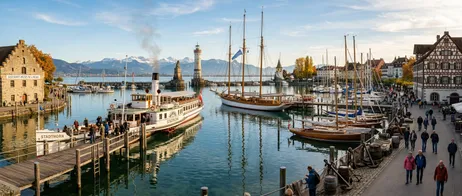
Experience Maritime History and Museums on Germany’s Lakes
Germany’s maritime history fascinates with steamships, lakeside museums and historic experiences on inland lakes and harbours.
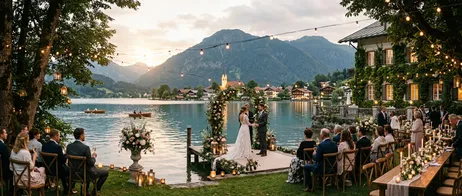
Weddings and romantic places by Germany’s lakes
Germany enchants with romantic lake landscapes, wedding venues by the water and special moments at sunset.
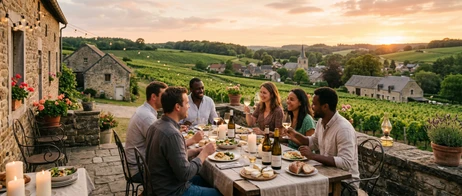
Nature Reserves and Birdwatching at Germany’s Lakes
Germany’s nature reserves impress with lakes, migratory birds and unique sightings of cranes, herons and swans.
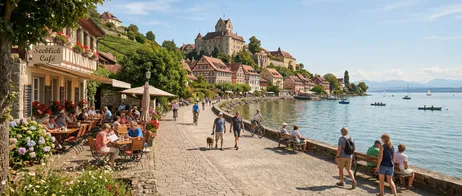
Discover Historic Treasures at Germany’s Lakes
Germany’s lakes offer more than nature and relaxation. Around many shores you’ll find historic sites, cultural landmarks and excursion destinations shaped by history.
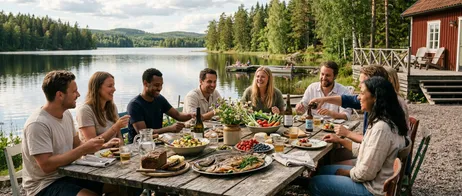
Regional Specialties and Enjoyment Tips Around Your Holiday Home
Regional specialties make a stay in a holiday home unique. Discover enjoyment tips, local products and culinary experiences right on your doorstep.
